

Introduction
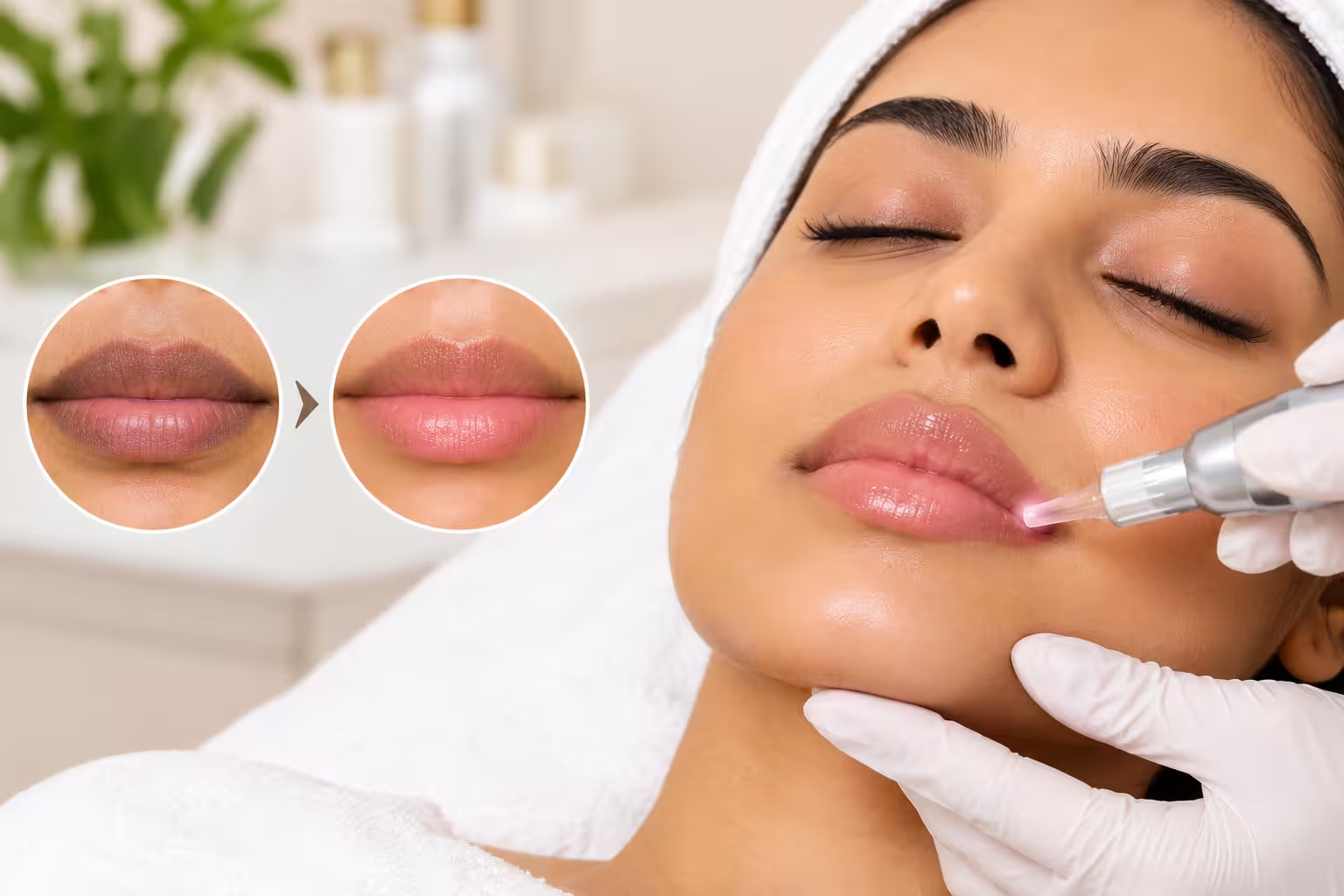
Lip colour changes slowly, so many people only notice darkening when they compare an old photo with a recent one. For some it shows up as an even, deeper tone across the whole lip. For others it appears as patches, mostly along the edges or on the lower lip.
This guide covers why lips darken, which treatments are available, and how to decide what suits you. If you are considering a consultation at Solean Clinic, it will help you know what to ask and what results are realistic. Explore our Dark Lips Treatment Dubai options to learn more.
Why Dark Lips Are a Common Concern in Dubai
Lips have very little natural protection from the sun. They produce almost no melanin of their own to shield against UV, and Dubai’s strong sunlight reaches them nearly every day of the year. Dry indoor air, long hours in air-conditioned spaces and mild dehydration add to the problem. Pigmentation that might fade elsewhere on the face can linger on the lips, which is why the concern is so widespread here.
What Causes Dark Lips?
Dark lips rarely have a single cause. In most cases, two or three factors overlap, and identifying them is the first step toward choosing a treatment that works.
Sun Exposure and Dehydration
UV light triggers pigment-producing cells, and the lips respond the same way the rest of the skin does. When lips are also dry or cracked, the repeated irritation can leave behind a darker tone. A lip balm without sun protection does little to help, even if it feels moisturising.
Smoking and Shisha
Tobacco smoke and the heat from shisha pipes are well-known contributors to lip darkening. Nicotine and the chemicals in smoke affect pigment production and reduce blood flow to the area, and the effect tends to build over time.
Habits and Product Reactions
Frequent lip licking or biting inflames the skin, and inflammation often leaves pigment behind. Some lipsticks, lip balms, toothpastes and flavouring agents can also cause a mild allergic reaction, leading to a gradual darkening that people often mistake for staining.
Medical and Nutritional Factors
Certain medications, hormonal changes and low levels of iron or vitamin B12 can all affect lip colour. Genetics play a role too, as naturally deeper lip tones run in families. If the colour changed suddenly or only on one side, a doctor should look at it before any cosmetic treatment begins.
Dark Lips Treatment Options
The right option depends on the cause, the depth of the pigmentation and how quickly you want to see change. Many people end up combining two approaches.
Daily Care That Supports Every Treatment
Sunscreen lip balm with SPF 30 or higher is the habit that matters most, and it needs reapplying through the day. Gentle exfoliation once or twice a week, enough water and cutting back on smoking all help results last. Without these, even a good clinic treatment can fade faster than expected.
Topical Treatments
Prescription or clinic-supplied creams containing ingredients that slow pigment production can lighten lips gradually over several weeks. The skin on the lips is thin and sensitive, so products made for the face are not always safe to use there. A practitioner can recommend something suitable and tell you how long to use it.
Chemical Peels
A mild peel removes the top layer of pigmented cells and encourages fresh skin to form. Lip peels are used carefully, with lower strengths than facial peels, and they may need a few sessions spaced several weeks apart. Some temporary dryness or flaking is normal afterwards.
Laser Treatments
Certain lasers break up excess pigment in the skin without cutting it, and the body clears the fragments over the following weeks. This option is often used for stubborn pigmentation that has not responded to creams. The number of sessions varies, and the skin around the lips is protected throughout the procedure.
Lip Blushing as a Cosmetic Option
Lip blushing is a semi-permanent pigment treatment that adds colour rather than removing it. It does not treat the cause of darkening, so it suits people who want a lasting soft tint and have already addressed the underlying reason. It is best discussed with a trained practitioner before booking.
For personalised guidance on Dark Lips Treatment Dubai, a consultation can help identify suitable options based on your lip pigmentation and skin concerns.
Choosing the Right Treatment
What a Consultation Covers
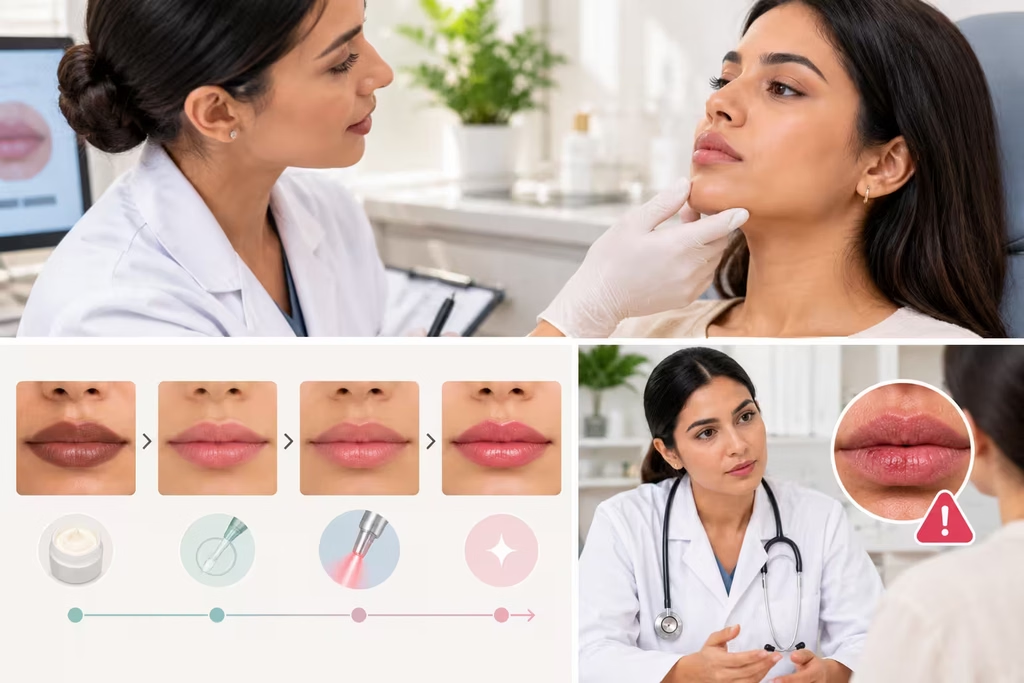
A good consultation starts with questions about your habits, medications, past reactions and how long the darkening has been there. The practitioner will then examine the lips closely and explain which treatment fits your case, how many sessions are likely and what the cost may involve.
How Long Results Take
Most lip treatments work gradually. Creams can take several weeks to show a difference, while peels and lasers usually need a series of sessions. Results hold best when the cause, such as sun exposure or smoking, is dealt with at the same time.
When to See a Doctor First
Book a medical review before any cosmetic treatment if a dark spot is new, has an uneven edge, changes shape, bleeds or does not heal. Sudden darkening across the lips, especially with tiredness or other symptoms, also deserves a medical check.
Conclusion
Dark lips are common, and in most cases they respond well to a plan that treats the cause as well as the colour. That usually means better sun protection and lip care at home, paired with a clinic treatment chosen to match your skin.
If you would like an honest assessment of your lips, book a Dark Lips Treatment Dubai consultation at Solean Clinic. Our team will look at the likely causes, explain your options and suggest a plan that fits your goals.
Frequently Asked Questions
1. What causes dark lips?
The most common causes are sun exposure, dehydration, smoking or shisha, lip licking and biting, and reactions to certain products. Medications, hormonal changes and low iron or vitamin B12 can also play a part, and genetics affect natural lip tone.
2. Can dark lips be treated permanently?
Treatments can lighten lips noticeably, but results last only as long as the cause stays under control. Sun exposure, smoking and irritation can bring the darkness back over time.
3. How long does it take to lighten dark lips?
It depends on the method and the depth of pigmentation. Topical treatments often take several weeks, while peels and lasers are done in a series of sessions spaced apart.
4. Are lip lightening treatments safe?
When performed by a trained practitioner and matched to your skin, they are generally considered safe. Lip skin is thin and sensitive, so it is best to avoid unsupervised home products or strong DIY remedies.
5. Do home remedies work for dark lips?
Gentle care such as regular moisturising, sun protection and careful exfoliation can help prevent further darkening. Remedies like lemon juice or baking soda can irritate the lips and sometimes make pigmentation worse.
6. Is there any downtime after a lip treatment?
Downtime is usually short. Mild dryness, flaking or tenderness can appear for a few days after a peel or laser session, and your practitioner will explain how to care for the area.
7. Does smoking really make lips darker?
Yes, for many people it does. Smoke and heat affect pigment production and blood flow around the lips, and the effect often builds slowly with continued exposure.
8. Can I use lipstick after treatment?
Most practitioners suggest waiting until the lips have settled, which can take a few days depending on the procedure. Ask your clinic for specific timing, and choose products with sun protection once you resume.
9. Are dark lips a sign of a health problem?
Usually not, but they can occasionally point to a nutritional gap, a medication effect or another medical issue. A sudden change, an unusual spot or darkening with other symptoms should be checked by a doctor.
10. How do I know which treatment is right for me?
The best way is a consultation. A practitioner can identify the likely cause, assess how deep the pigmentation sits and recommend a method that suits your skin and your timeline.
Ready to get started? Book your lip consultation at Solean Clinic and let our team design a treatment plan around your needs.