

Introduction
Shaving every few days and waxing every few weeks add up to a lot of time and money over the years. Laser hair removal appeals to people who want to step out of that cycle, and the full body option is popular because it treats every area on the same schedule rather than piece by piece.
This guide explains how Full Body Laser Hair Removal Dubai works, how many sessions most people need, how to prepare, and what to do afterwards. If you are thinking about booking a treatment at Solean Clinic, this guide will help you arrive informed and understand what questions to ask before starting your treatment.
Why Full Body Laser Is Popular in Dubai
Dubai’s climate makes smooth skin a year-round preference rather than a seasonal one. Warm weather, beach days, gym routines and a busy social calendar leave little patience for ingrowns, razor irritation or waxing appointments that need to be booked around hair length. A treatment course that reduces regrowth across the whole body fits that lifestyle well.
What Is Full Body Laser Hair Removal?
Full body laser hair removal treats hair across the main areas of the body in one structured plan. Most packages cover the legs, arms, underarms, bikini or intimate area, back, chest or abdomen, and often the face, though the exact areas depend on the clinic and the package.
How the Laser Works
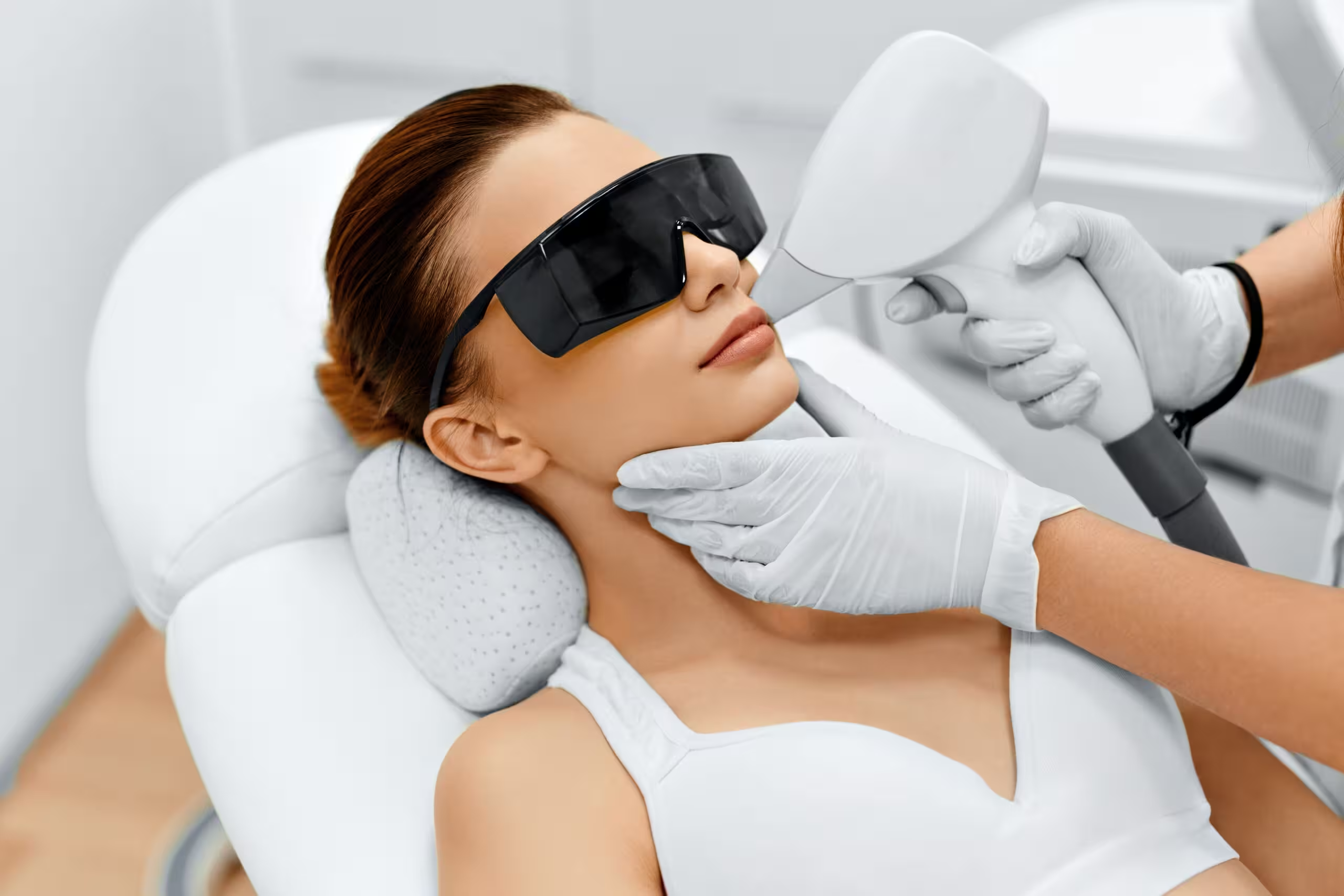
The laser sends a controlled beam of light that is absorbed by the pigment in the hair. The energy travels down to the follicle and damages its ability to produce new hair. Because hair grows in cycles and the laser only works on follicles in the active growth phase, several sessions are needed to catch each follicle at the right time.
Which Technology Clinics Use
Different devices suit different skin tones and hair types. Diode, alexandrite and Nd lasers are among the most common, and each performs differently depending on how much contrast there is between the skin and the hair. A good practitioner will choose the device and settings after assessing your skin, not before.
Sessions: What to Expect
How Many Sessions Most People Need
Most people need between six and eight sessions, though some need more. The number depends on hair thickness, hair colour, hormones, the body area and how closely you follow the schedule. Fine or light hair often takes longer to respond than dark, coarse hair.
Spacing Between Sessions
Sessions are usually spaced four to eight weeks apart. Areas with faster growth, such as the underarms and face, tend to be treated more often than slower areas like the legs and back. Spacing sessions too far apart or skipping appointments can slow progress, since follicles may move out of the growth phase.
How Long Each Session Takes
A full body session can take anywhere from 60 to 120 minutes, depending on the device, the areas included and the amount of hair. Some clinics divide the body into two visits to keep each appointment shorter and more comfortable.
What Results to Expect
Most people see a clear drop in growth after the first few sessions, with remaining hair becoming finer and sparser. Results vary from person to person, and the term used by regulators is long-term hair reduction rather than permanent removal. Occasional maintenance sessions may be recommended after the main course.
How to Prepare for Your Sessions
Shave, Do Not Wax
Shave the treatment areas the day before or on the morning of your appointment. Laser needs the hair root in place to work, so avoid waxing, threading or plucking for at least four weeks before the first session and between sessions. Do not shave the skin so closely that it becomes irritated.
Limit Sun Exposure
Tanned or sunburnt skin has more pigment, which raises the risk of burns and dark marks from the laser. Avoid tanning beds and direct sun on the treatment areas for at least two to four weeks beforehand, and wear sunscreen daily. In Dubai, this advice needs to be taken seriously, since incidental sun on the commute or at the beach counts.
Medications, Skin Products and Health Conditions
Tell your practitioner about any medication you take, especially anything that makes skin more sensitive to light, along with recent use of retinoids or strong exfoliants. Inform them about pregnancy, skin conditions, a history of cold sores in the treatment area or any tendency to scar. Some of these will mean adjusting the plan or delaying treatment.
On the Day of Treatment
Arrive with clean skin, free from creams, perfume, deodorant and makeup in the areas being treated. Wear loose, comfortable clothing and eat beforehand, as longer sessions can feel tiring for some people.

Aftercare: Looking After Your Skin Between Sessions
The First 48 Hours
Mild redness and a warm feeling similar to a light sunburn are common, and usually settle within a day or so. A cool compress can ease discomfort. Avoid hot showers, saunas, steam rooms, heavy workouts and swimming in chlorinated pools for around two days, since heat and friction can irritate treated skin.
Sun Protection and Skin Care
Apply broad-spectrum sunscreen to treated areas that will be exposed, and cover up when possible. Use a gentle, fragrance-free moisturiser and avoid scrubs, peels and strong active ingredients until the skin has settled. Do not pick at any small bumps or scabs that appear.
What Is Normal and What Is Not
Hairs may appear to keep growing for one to three weeks after a session. In most cases these are hairs being shed rather than new growth, and they fall out on their own. Contact the clinic if you notice blistering, significant swelling, persistent pain or colour changes that do not fade.
Conclusion
Full body laser hair removal in Dubai takes commitment, since results come from a full course of sessions rather than a single visit. For many people, though, the long-term reduction in regrowth, ingrown hairs and shaving time makes the effort worthwhile. Good preparation and careful aftercare make a real difference to both comfort and results.
If you are ready to start, book a consultation at Solean Clinic. Our team will assess your skin and hair type, explain how many sessions to expect and build a plan around your schedule.
Frequently Asked Questions
1. How many sessions of full body laser hair removal do I need?
Most people need between six and eight sessions. The number can be higher for fine, light or hormone-related hair, and a practitioner can give a closer estimate after assessing you.
2. Is laser hair removal permanent?
It is described as long-term hair reduction rather than permanent removal. Many people enjoy a significant, lasting drop in regrowth, though occasional maintenance sessions may be needed.
3. Does laser hair removal hurt?
Most people describe a snapping or stinging sensation, similar to a rubber band on the skin. Sensitivity varies by area, with the bikini line and underarms often feeling stronger. Modern devices include cooling systems that make sessions more comfortable.
4. How long does a full body session take?
It usually takes between 60 and 120 minutes. Some clinics split the body across two appointments to keep each visit shorter.
5. Is laser hair removal suitable for all skin tones?
Modern lasers can treat a wide range of skin tones, but the device and settings must be chosen carefully. Your practitioner should assess your skin before treatment and explain which technology is being used.
6. Can I shave between sessions?
Yes, shaving is fine and is the recommended way to manage hair between sessions. Avoid waxing, threading and plucking, since these remove the root that the laser needs.
7. When will I see results?
Many people notice thinner, slower growth after the first few sessions. The full effect builds over the whole course.
8. Can I go in the sun after laser hair removal?
Direct sun on treated areas should be avoided as much as possible, especially in the first few days. Use sunscreen and cover the area when you are outdoors, since sun exposure raises the risk of dark marks.
9. Is laser hair removal safe during pregnancy?
Most clinics advise postponing treatment during pregnancy as a precaution. Speak to your doctor and tell the clinic before booking.
10. What are the possible side effects?
Temporary redness, mild swelling and sensitivity are the most common. Less often, people can develop blistering, colour changes or skin irritation, which is why choosing a qualified practitioner and following aftercare advice matters.
Ready to get started? Book your full-body laser hair removal consultation at Solean Clinic and let our team plan your sessions around your skin and schedule.


